
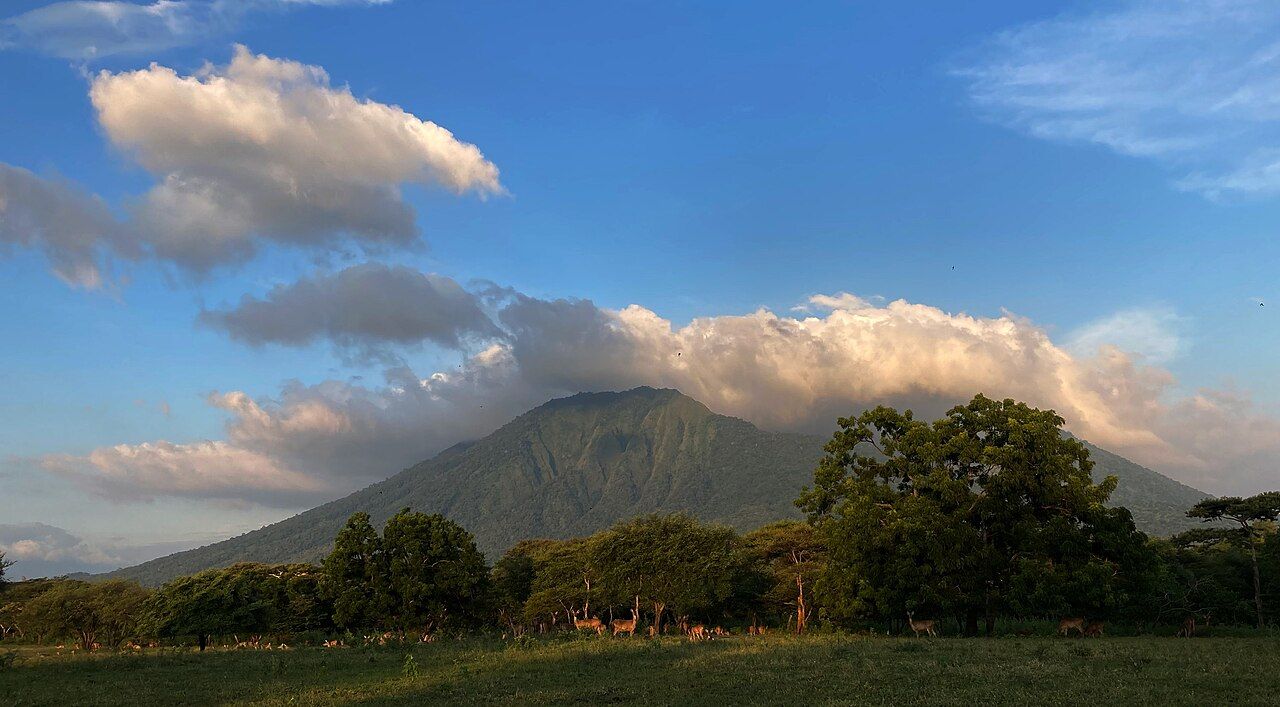
Most of Java is green: rice terraces, forest, plantations and towns packed tightly together. Baluran National Park, on the island's northeastern corner, is something else. Here a dry climate, volcanic soils and a long rain shadow have produced open savanna dotted with trees, grazed by deer and wild cattle beneath the slopes of an old volcano. In the dry season the grass turns gold and brown, and the comparison people often make with the plains of East Africa does not feel too far off.
Where it is and how to get in
Baluran lies on the coast road between Situbondo and Banyuwangi, about an hour's drive north of Banyuwangi and the ferry port at Ketapang. The park entrance is on the main road, and from there a single road runs east through forest to the savanna at Bekol and on to the coast at Bama. The road has been rough for long stretches in the past, though sections have been improved; conditions change, so ask before you go.
Entry fees, opening hours and rules on vehicles and activities are set by the park authorities. Carry cash.
The Bekol savanna
The heart of the park is the savanna at Bekol, an open expanse of grassland with scattered trees and the great dark mass of Mount Baluran rising behind it. Baluran is an old volcano whose top has been worn into a broad, broken crater. It is not considered active, and it gives the park its shape and much of its weather, holding back rain from the lowlands around it.
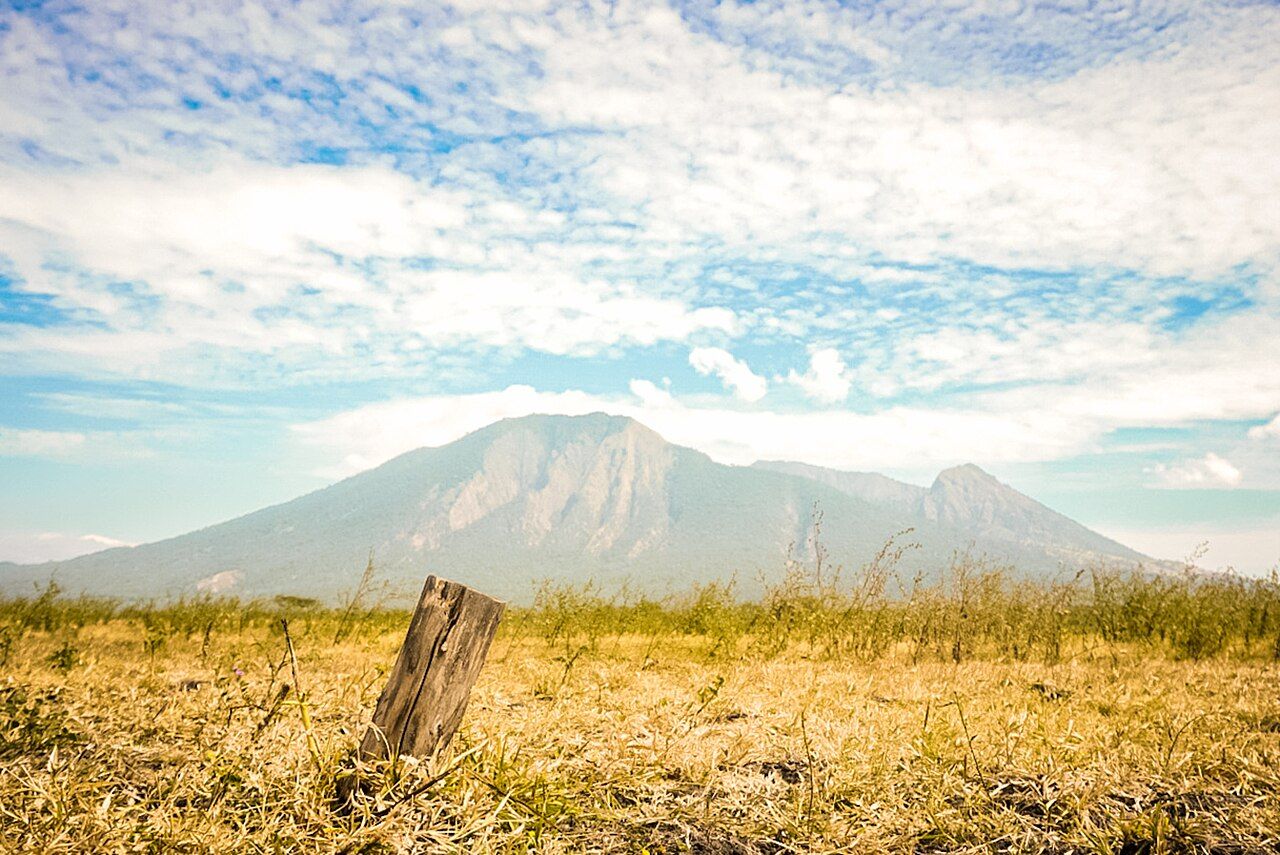
Early morning and late afternoon are the best times on the savanna. The light is softer, the heat is lower, and animals come out to graze and drink. In the middle of the day many of them retreat to the shade of the trees, and the savanna can feel empty and very hot.
There is a watchtower at Bekol that gives a wide view across the grassland, and a few waterholes nearby where animals gather in the dry season. Move quietly, keep to the roads and paths, and do not try to approach the animals on foot.
The savanna is not one landscape but several, depending on the month and the hour. After the rains the grass stands tall and green, broken by clumps of shrubs and the pale trunks of scattered trees. As the dry months go on, the colour drains out of it, the ground cracks around the waterholes and the mountain seems to come closer through the clear, dry air. Dust rises behind every vehicle on the road, and the heat by midday is fierce.
Banteng, deer and peafowl
Baluran is one of the best places in Java to see large wild animals. Javan rusa deer are the most common, and herds of them graze on the savanna and along the coast. The park also protects banteng, the wild cattle of Southeast Asia, which are much shyer and rarer. You may see small groups on the savanna, especially early in the morning, but there is no guarantee.
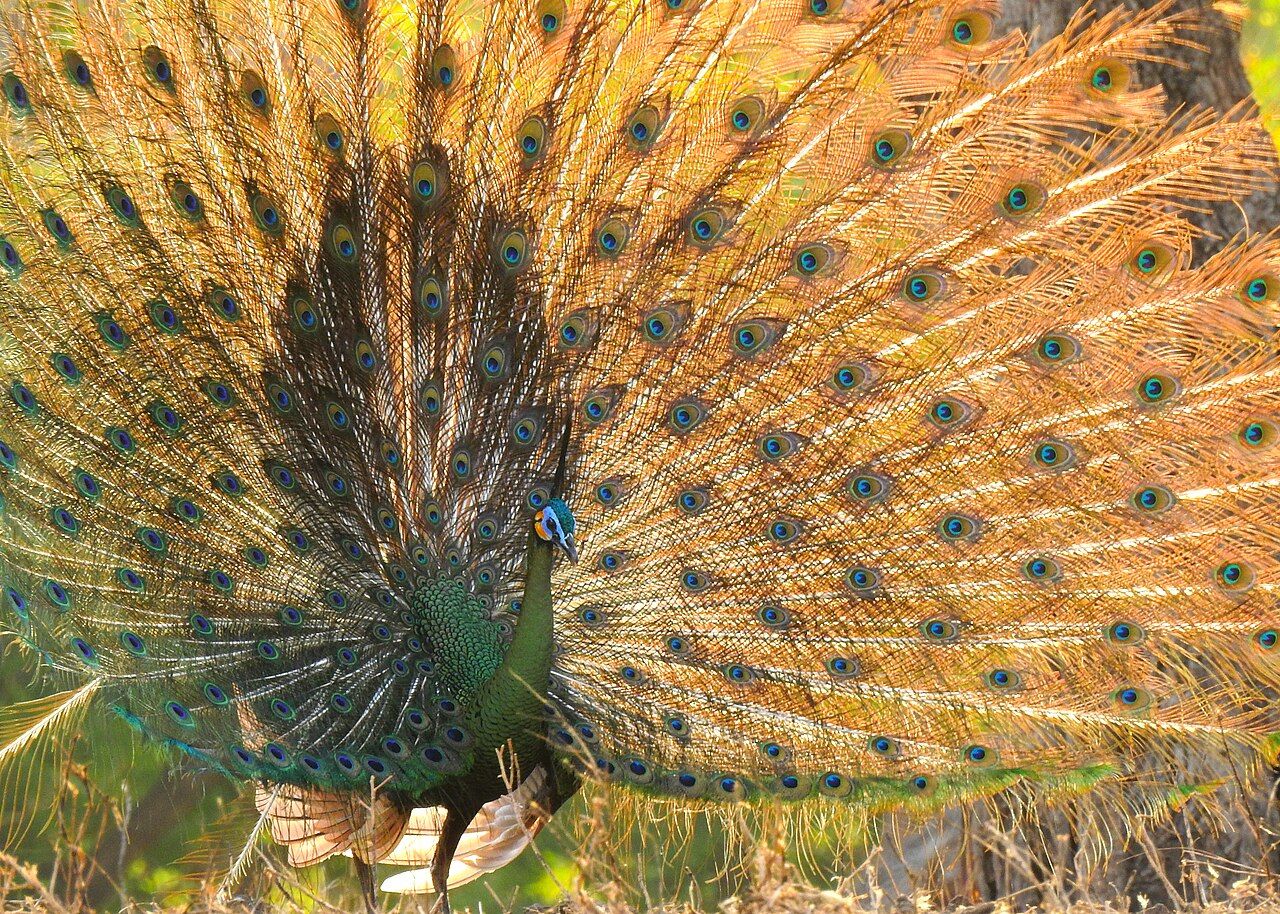
The birdlife is rich too. Green peafowl, an endangered species, live in the park, and in the dry season males can sometimes be seen displaying their long, shimmering trains. Hornbills, jungle fowl and many smaller birds live in the forest and around the edges of the savanna. Long-tailed macaques are common, especially around the beach, and are bold enough to steal food and belongings.
On the same journeyAlas Purwo and the surf at PlengkungWater buffalo are also present in the park. Other species, such as leopards and dholes, are recorded but rarely seen by visitors.
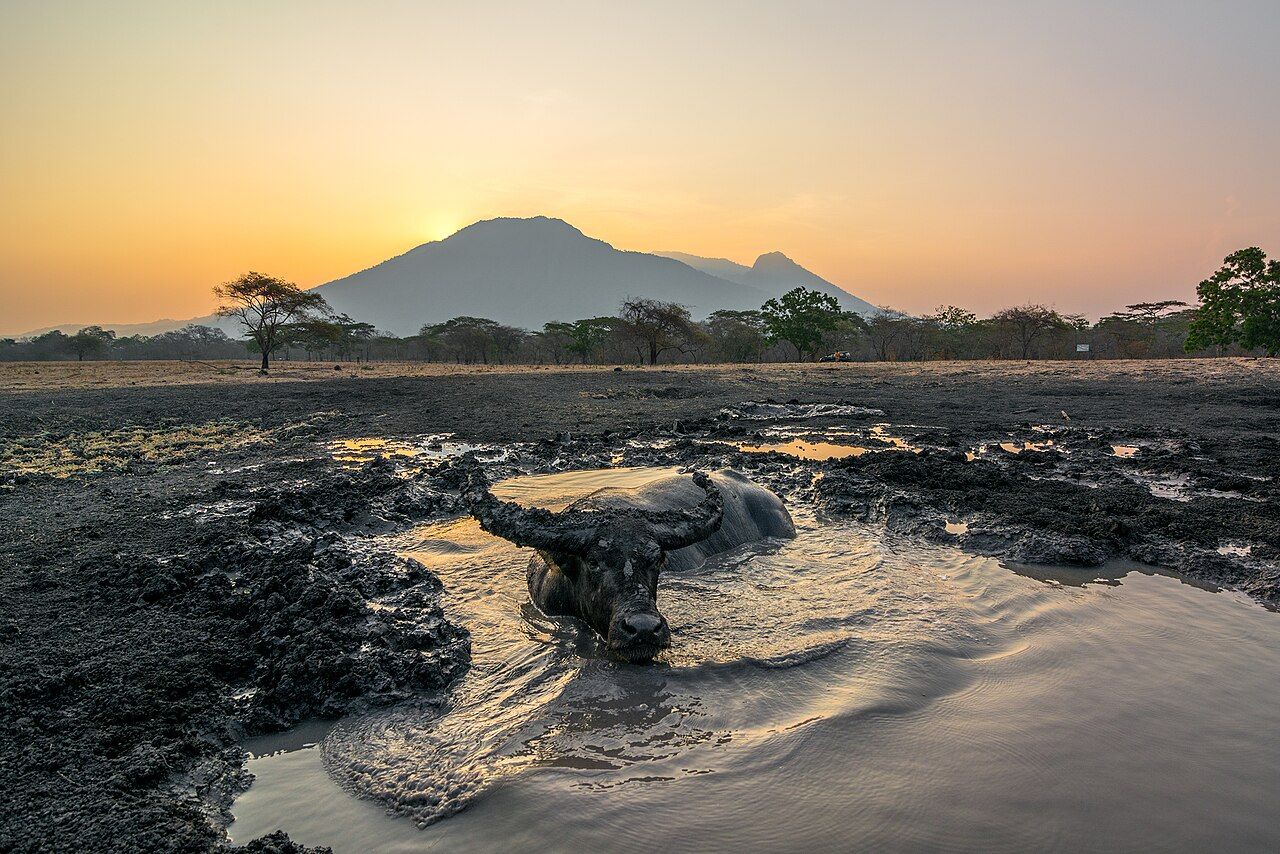
Baluran's savanna faces an unusual threat: an introduced thorny acacia, planted decades ago, has spread across large areas of grassland, crowding out the grasses the animals depend on. Park authorities have worked to control it, and the changing balance between grass and trees is one of the challenges facing the park. Treat the landscape with care and leave nothing behind.
Bama beach and the mangroves
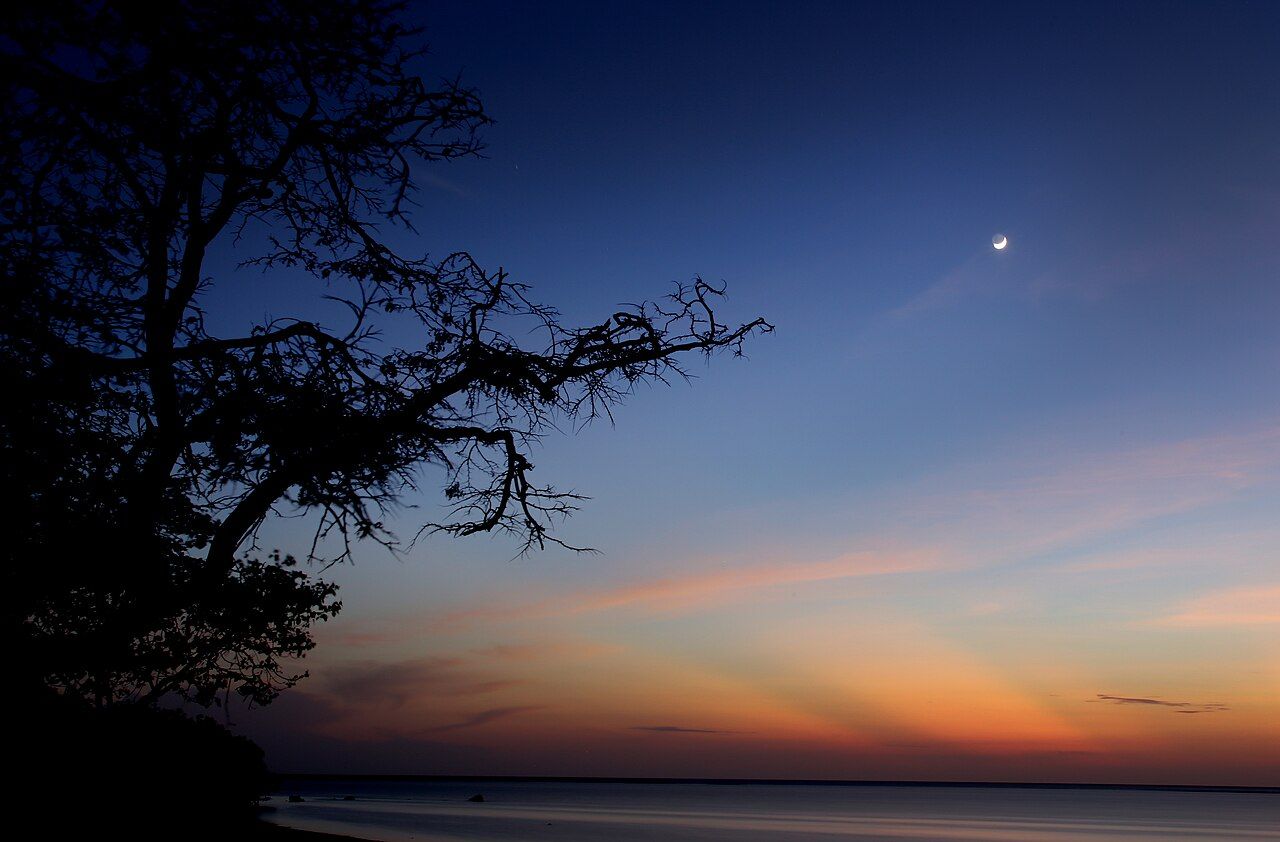
Beyond Bekol the road continues a few kilometres to the coast at Bama, a quiet beach with calm water, mangroves and coral reefs offshore. It faces east across the strait, which makes it a fine place to watch the sunrise.
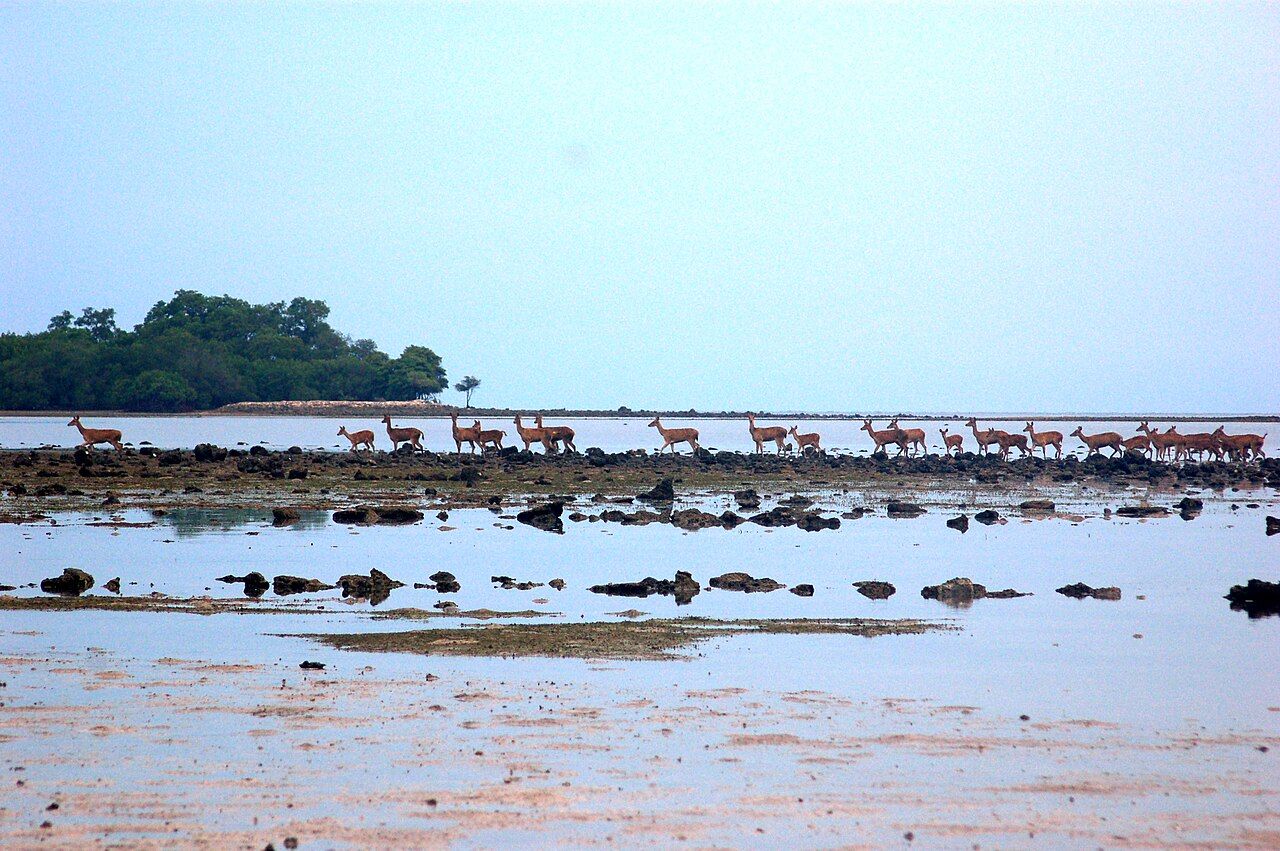
At low tide the reef flats are exposed, and deer sometimes wander along the shore. Paths lead into the mangroves, where you can see the tangled roots and the birds and crabs that live among them. Swimming and snorkelling are possible in calm conditions, but check what is currently permitted and watch for currents.
At low tide the reef flats are exposed, and deer sometimes wander along the shore.
The macaques at Bama are notorious. Keep food out of sight, close your bags, and do not feed them. They can bite, and feeding them only makes the problem worse for everyone.
Gold grass in the dry months
The dry season, roughly from the middle of the year into the last few months, is when Baluran looks most like a savanna. The grass dries to gold and brown, waterholes shrink, and animals gather around them, which makes them easier to see. In the rainy season the park turns green, the grass grows tall, and the animals spread out, making them harder to find. Some roads and tracks can become muddy and difficult after heavy rain.
The story on dry and wet seasons in Java covers how the weather shapes travel across the region.
Combining Baluran with Ijen
Baluran fits well with a visit to Kawah Ijen. Both can be reached from Banyuwangi, and a common pattern is to climb the crater in the night, rest in the morning and visit Baluran in the late afternoon, or the other way round. The park is also on the road along the north coast towards Situbondo and Probolinggo, so it makes a natural stop if you are travelling between Ijen and Bromo.
Little shade on the savanna
- Bring plenty of water, a hat and sun protection; there is little shade on the savanna.
- Binoculars and a long camera lens make a big difference for wildlife.
- Keep to roads and paths and do not approach animals on foot.
- Do not feed the monkeys, and guard your food and belongings.
Baluran shows a side of Java that most visitors never imagine. Give it a dawn or a late afternoon, and the light on the grass and the old volcano will stay with you.
Photographers on the rim
- Anggysabrita, CC BY-SA 4.0
- Muhammad Farhan Atmawinanda, CC BY-SA 4.0
- Panji Gusti Akbar, CC BY-SA 4.0
- Candra Firmansyah, CC BY-SA 4.0
- Widintya Wirasta Nugroho, CC BY-SA 4.0
- rochmad setyadi from Jakarta, DKI, Indonesia, CC BY-SA 2.0