

Two seasons, not four
East Java sits close to the equator, so temperatures in the lowlands change little through the year. What changes is the rain. Broadly, the dry season runs from about May to October and the wet season from about November to March, with April and the turn of October and November as uncertain in-between months. The eastern end of Java tends to be drier than the west of the island, and the north coast drier than the hills.
These are tendencies, not rules. Some years the rains come early or linger, and a dry-season week can still bring a heavy shower. Look at a forecast close to your dates, and keep a day of slack in any plan that depends on weather.
The dry season
From about May to October, mornings are often clear, roads are at their best, and the trails at Ijen and Bromo are dry underfoot. It is the season most visitors choose for the night climb at Kawah Ijen, and for good reason: clear skies at dawn give the best chance of seeing the crater lake and the sunrise over the ridge.
It is also the coldest time in the highlands. Clear skies let heat escape at night, and at the crater rim temperatures can drop close to freezing in the middle of the dry season. On the Bromo side, frost sometimes forms on the grass and sand around the caldera on still mornings. A warm jacket, a hat and gloves are not optional on either volcano.
In the lowlands, the long dry months turn the savanna at Baluran gold and then brown, and animals gather around the remaining water, which makes wildlife easier to find. The sea along the north coast is generally calm.
The wet season
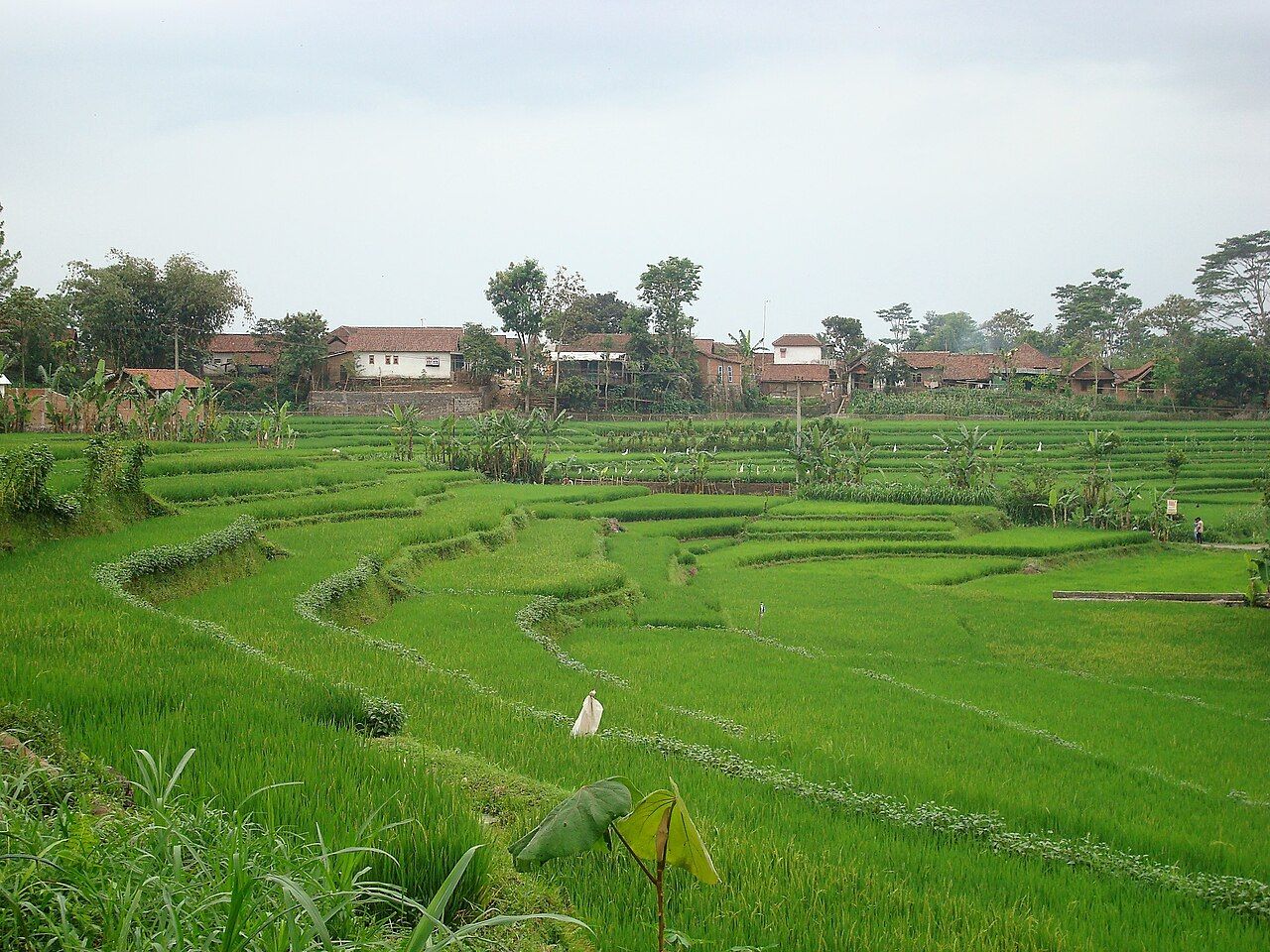
From around November, heavy rain arrives, often in the afternoon and evening after a bright morning. The wettest months are usually December to February. The countryside turns intensely green, rivers fill, and the rice fields are planted and flooded.
For travellers the wet season brings real limits. Trails become slippery, clouds and fog can hide the crater for days on end, and the authorities may close the Ijen trail during bad weather or for longer periods. Plateau roads suffer landslides, and the rough tracks to the south coast can become impassable. Ferries across the Bali Strait occasionally pause in strong winds.
On the same journeyBaluran, Java's little AfricaThe transition months deserve a word of their own. In April and in late October or November, days can swing between clear mornings and sudden storms, and the start of the rains can arrive in a single week. Trails that were dusty can turn slick overnight, so pack for both conditions and watch for updates on closures.
That said, the wet season is not a write-off. Early starts often beat the rain, prices and crowds are lower outside the holidays, and the landscape is at its most lush. If you travel in these months, plan short, flexible days and have a fallback for each one.
Cold nights on the volcanoes
Whatever the season, a night at altitude is cold. The trailhead at Paltuding and the villages around Bromo sit well above the warm lowland belt, and wind on the crater rim makes it feel colder still. Dress in layers you can remove on the climb and add back at the top: a base layer, a fleece, a windproof jacket, gloves and a hat.
Cold also affects safety. Tired, chilled walkers make poor decisions on loose ground in the dark. Our page on gas, cold and the crater covers what else to plan for, including masks and the alert system for the volcano.
Bromo's clear mornings
At Bromo and the sea of sand, the best sunrise views come on dry-season mornings, when cold air pools mist on the caldera floor and the sky above is clear. In the wet months the viewpoints may sit inside cloud, and the sand turns to firm, dark mud. Visibility is a gamble in any month, so if Bromo is important to you, allow two mornings.
Holidays and crowds
Weather is only half the picture. Indonesian holidays bring very large numbers of domestic travellers to Bromo, Ijen and the beaches, and they fill trains, ferries and roads.
- Lebaran, at the end of Ramadan, is the biggest travel period of the year; its date moves earlier by about eleven days each year.
- School holidays fall roughly in late June and July, overlapping with the busy months for visitors from abroad.
- Christmas and New Year are busy, despite the wet season.
- Long weekends created by public holidays fill popular sites, especially Bromo.
During Ramadan itself, domestic travel is lighter until the final days, and some food stalls close in daylight. If you can, avoid the week either side of Lebaran entirely, and book trains well ahead around the other peaks; the railway and roads get crowded fast.
Choosing your months
For a first trip focused on Ijen and Bromo, aim for the dry season and, if possible, avoid the July and August peak and the Lebaran rush. May, June, September and early October are often a good balance. For lush landscapes, quieter trails and lower prices, the shoulders of the wet season can work if you stay flexible. Whatever you choose, check volcano status, trail closures and transport timetables shortly before you travel, since all three change.
Photographers on the rim
- Thomas Fuhrmann, CC BY-SA 4.0
- Arabsalam, CC BY-SA 4.0